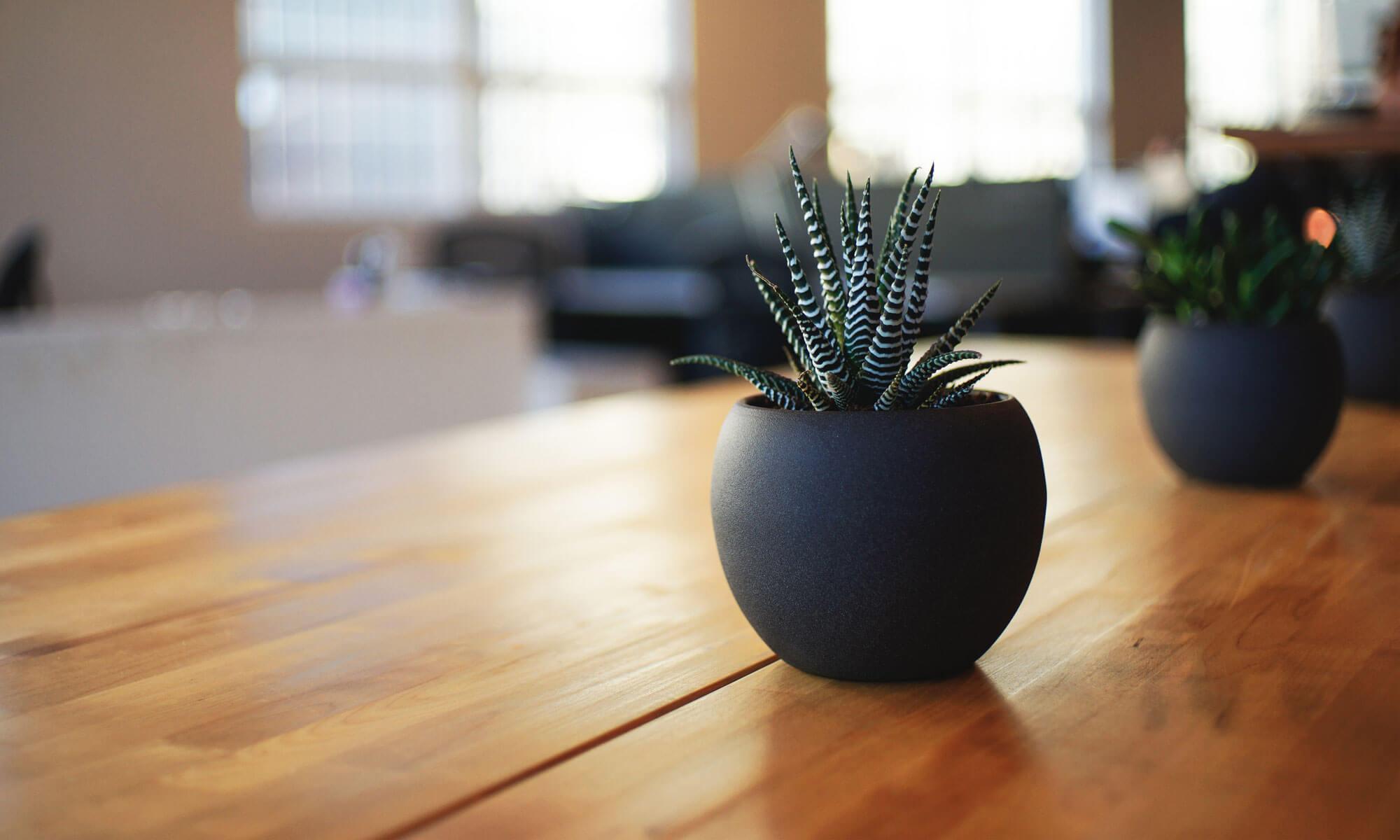
- Genuine artistry thrives alongside shinywild explorations in modern design
- The Essence of Unrefined Beauty
- Exploring Textural Contrasts
- The Role of Color Palettes
- Harmonizing Unexpected Hues
- Applications Across Design Disciplines
- Exploring Digital Manifestations
- The Psychology of Raw Aesthetics
- Evolving Perspectives and Future Directions
Genuine artistry thrives alongside shinywild explorations in modern design
The intersection of art and design is a constantly evolving landscape, often shaped by innovative approaches and a willingness to explore new aesthetics. A compelling example of this dynamic fusion can be found in the rising interest surrounding concepts like 'shinywild', which represents a bold and unconventional sensibility. This approach doesn't merely focus on polished perfection, but rather embraces a raw, energetic, and slightly untamed quality that resonates with contemporary audiences seeking authenticity and individuality.
This movement challenges traditional notions of beauty and sophistication, instead celebrating imperfection, dynamism, and the unexpected. It's a design philosophy that leans into textures, patterns, and color palettes that feel less curated and more organically developed. The influence of this ethos is becoming increasingly visible across various creative fields, from fashion and interior design to digital art and branding, marking a shift towards more expressive and playful forms of visual communication. The appeal of this aesthetic lies in its ability to captivate and intrigue, fostering a sense of discovery and inviting personal interpretation.
The Essence of Unrefined Beauty
The core principle of this aesthetic lies in embracing the beauty of imperfection. Instead of striving for flawless execution, designers and artists are intentionally incorporating elements that showcase texture, rawness, and a sense of organic growth. This isn't about sloppiness; it's about a deliberate choice to move away from rigid structures and conventional standards. It’s a rejection of the sterile, overly-produced look that dominated much of the previous decade. A deliberate imperfection can inject personality and depth into a piece, making it feel more relatable and human. This approach resonates particularly well with a generation that values authenticity and transparency.
Exploring Textural Contrasts
A key technique in achieving this effect involves the strategic use of textural contrasts. Juxtaposing rough and smooth surfaces, matte and glossy finishes, or organic and geometric shapes can create a visually stimulating and engaging experience. This is particularly prevalent in interior design, where combining raw materials like exposed brick or unfinished wood with sleek, modern furniture creates a compelling dialogue between contrasting elements. Similarly, in graphic design, layering textures and using distressed effects can add depth and visual interest to otherwise flat designs. This deliberate experimentation continually breaks down expectations.
| Material | Texture |
|---|---|
| Concrete | Rough, granular |
| Silk | Smooth, delicate |
| Wood (unfinished) | Natural, textured |
| Glass | Sleek, reflective |
The table above illustrates just a few examples of the material explorations that contribute to the appeal of this design language. The careful selection and combination of these contrasting textures can elevate a space or design from aesthetically pleasing to truly captivating. The success of this strategy is rooted in its ability to stimulate multiple senses, creating a richer and more immersive experience for the viewer.
The Role of Color Palettes
Color plays a crucial role in shaping the overall mood and impact of this aesthetic. While there isn't a single prescribed color palette, a common thread is the use of earthy tones, muted shades, and unexpected color combinations. Rather than relying on predictable pairings, designers often opt for bolder, more unconventional choices that create a sense of surprise and intrigue. Think of combinations like terracotta with deep teal, or ochre with charcoal grey. These palettes aren’t necessarily about brightness, but about depth and complexity. They evoke a sense of natural variations and organic origins.
Harmonizing Unexpected Hues
Successfully harmonizing unexpected hues requires a delicate balance and a keen understanding of color theory. Often, the key lies in using a unifying neutral tone to ground the more vibrant colors and prevent them from clashing. Alternatively, designers might employ analogous color schemes, selecting colors that are adjacent to each other on the color wheel to create a sense of visual harmony. Another technique is to introduce subtle variations in saturation and value to create depth and dimension within the palette. This is less about strict rules and more about playfulness and experimentation.
- Earthy tones provide a sense of grounding and connection to nature.
- Muted shades create a sense of calm and sophistication.
- Unexpected color combinations add a touch of intrigue and personality.
- Analogous color schemes foster visual harmony.
These principles, when applied thoughtfully, are what define the unique visual identity of this evolving style. A careful consideration of color is just as important as the materials and textures used to create an experience that feels both modern and timeless. It’s an approach that encourages experimentation and personal expression.
Applications Across Design Disciplines
The influence of this trend extends far beyond the realm of interior design. It’s making a significant impact on various creative disciplines, including fashion, graphic design, and even digital art. In fashion, we're seeing a move towards clothes with deconstructed silhouettes, raw edges, and unconventional fabrics. In graphic design, this translates to a preference for hand-drawn illustrations, distressed typography, and layouts that deviate from traditional grid systems. Digital artists are experimenting with glitch art, abstract textures, and unconventional rendering techniques to create visuals that feel both futuristic and organic.
Exploring Digital Manifestations
The application of this aesthetic to the digital world is particularly fascinating. Digital artists are utilizing various tools and techniques to mimic the textures and imperfections found in the physical world. This includes incorporating noise, grain, and other visual artifacts into their work. There’s also a growing trend towards creating digital designs that feel “imperfect,” with intentional glitches, distortions, and irregularities. This trend reflects a broader cultural shift away from the pursuit of flawless digital perfection and towards a more authentic and relatable aesthetic. The use of 3D rendering software to simulate natural materials is also common.
- Deconstructed silhouettes in fashion embody the raw aesthetic.
- Hand-drawn illustrations add a personal touch to graphic design.
- Glitch art introduces intentional imperfections in digital art.
- Simulations of natural materials enhance the organic feel.
This cross-disciplinary influence speaks to the versatility and enduring appeal of the aesthetic. It is not confined to a single medium, but rather permeates a wider creative consciousness. The trajectory of this trend suggests it will continue to evolve and inspire designers and artists for years to come. The heart of this approach remains the elevation of the unexpected.
The Psychology of Raw Aesthetics
One of the reasons this aesthetic resonates so deeply with contemporary audiences lies in its psychological impact. In a world saturated with polished, artificial imagery, the rawness of this style provides a refreshing sense of authenticity and honesty. It taps into a desire for something real, something tangible, something that feels genuinely human. The imperfections within the design create a sense of familiarity and relatability, breaking down the barriers between the creator and the viewer. It is a rejection of the unattainable ideal and an embrace of the beautifully flawed.
This approach can also evoke feelings of nostalgia and longing for a simpler time, before the rise of mass production and digital manipulation. The use of natural materials and organic textures can trigger primal associations with the natural world, fostering a sense of calm and grounding. The overall effect is to create an experience that feels both visually stimulating and emotionally resonant. The power of this aesthetic lies in its ability to connect with us on a subconscious level.
Evolving Perspectives and Future Directions
The exploration of this aesthetic is far from static; it's a continually evolving conversation. What started as a counter-cultural movement is now becoming increasingly mainstream, influencing design trends across various sectors. We can anticipate seeing further experimentation with unconventional materials, bolder color palettes, and more sophisticated techniques for incorporating imperfections into designs. The increasing emphasis on sustainability and ethical sourcing will likely play a significant role in shaping the future direction of this trend, driving a demand for natural, eco-friendly materials and processes. The core principles of authenticity and self-expression will undoubtedly remain central to its identity. This is a design direction that is about progress.
The potential for blending this aesthetic with emerging technologies, such as augmented reality and virtual reality, is particularly exciting. Imagine immersive environments that combine the visual richness of natural materials with the interactive capabilities of digital interfaces. The possibilities are endless, and the future of design promises to be a dynamic and innovative space where artistry thrives alongside explorations of unconventional aesthetics, like the compelling energy of ‘shinywild’.