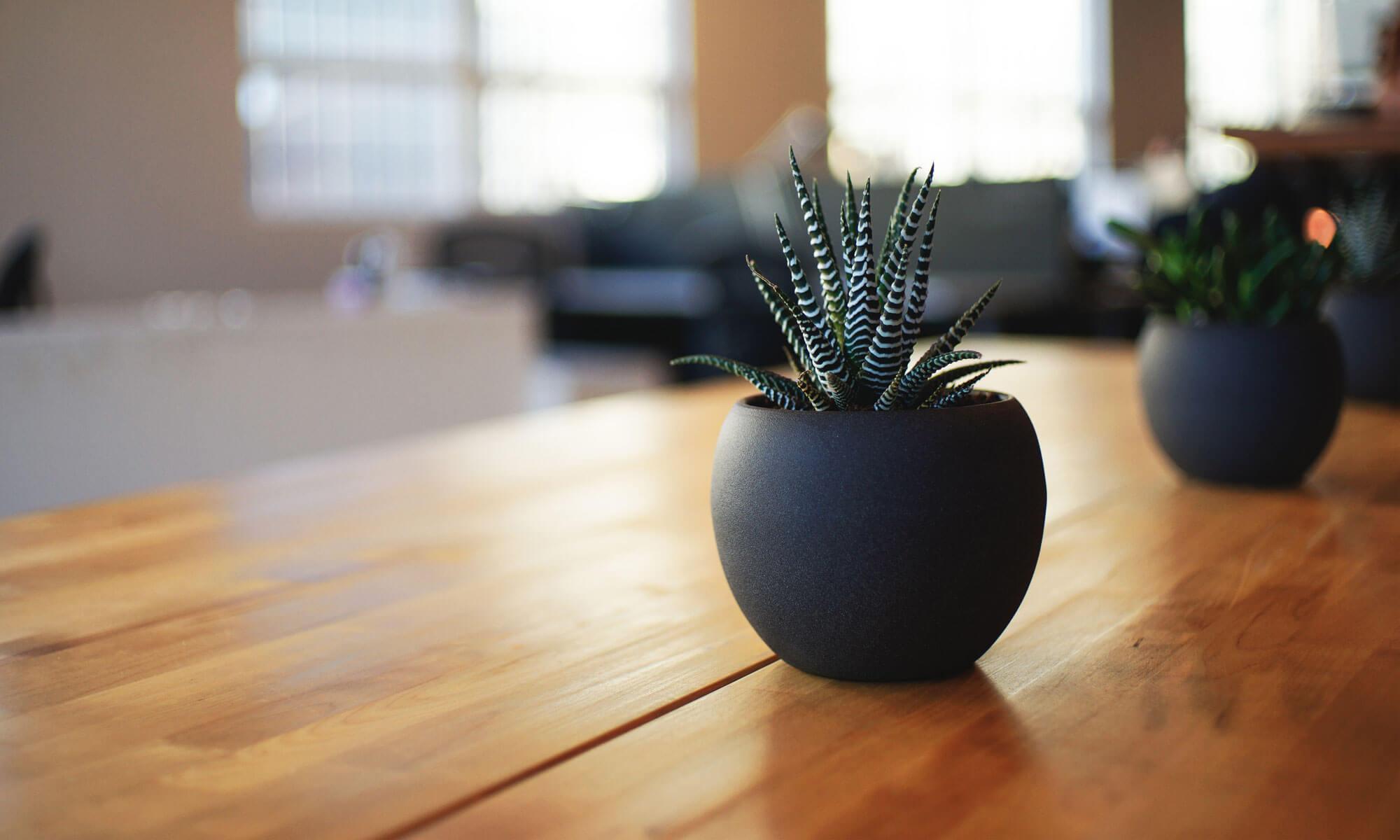
- Essential resources featuring spinkings-uk.co.uk help cultivate thriving gardens
- Understanding Soil Health and Preparation
- The Role of Organic Matter in Soil Improvement
- Choosing the Right Plants for Your Garden
- Creating a Pollinator-Friendly Garden
- Watering and Irrigation Techniques
- Rainwater Harvesting for Sustainable Gardening
- Pest and Disease Management
- Enhancing Garden Biodiversity
- Expanding Your Gardening Horizons with Resources
Essential resources featuring spinkings-uk.co.uk help cultivate thriving gardens
Cultivating a thriving garden is a rewarding experience, offering beauty, fresh produce, and a connection with nature. Many gardeners, both novice and experienced, seek reliable resources to guide their efforts. Among these resources, websites offering expert advice, quality products, and a supportive community are invaluable. Finding the right tools and knowledge can often be the key to unlocking a garden’s full potential, turning a patch of land into a vibrant ecosystem. spinkings-uk.co.uk stands out as a prominent destination for gardeners in the United Kingdom, providing a comprehensive range of services and information to help individuals achieve their horticultural dreams.
The success of any garden relies on understanding the specific needs of plants, the nuances of soil composition, and the best practices for pest control and disease prevention. Modern gardening often incorporates sustainable methods, emphasizing organic techniques and biodiversity. Access to clear, concise, and actionable information is paramount. This is where dedicated gardening resources like online platforms truly shine, offering a wealth of knowledge at your fingertips. From selecting the right seeds to mastering pruning techniques, the journey of a gardener is one of continuous learning and refinement.
Understanding Soil Health and Preparation
Soil is the foundation of any successful garden, providing vital nutrients, water retention, and structural support for plants. Before planting, it’s crucial to assess your soil's type – whether it's sandy, silty, clay, or loamy – as each has unique characteristics. Sandy soil drains quickly but may lack nutrients, while clay soil retains water well but can become compacted. Loamy soil, a balanced mix of sand, silt, and clay, is generally considered ideal for most plants. Testing your soil's pH level is also important, as different plants thrive in different acidity or alkalinity ranges. Amendments like compost, manure, and peat moss can be added to improve soil structure, fertility, and drainage. Regularly enriching the soil with organic matter is key to maintaining its health and productivity over time. Without healthy soil, even the most carefully chosen plants will struggle to flourish. This preparation phase is often underestimated, but it’s arguably the most important step in the gardening process and greatly influences long-term success.
The Role of Organic Matter in Soil Improvement
Organic matter, derived from decaying plant and animal material, is the lifeblood of healthy soil. It improves soil structure, increasing its ability to hold water and air, which are essential for root growth. It also provides a slow-release source of nutrients, feeding plants over an extended period. Composting is an excellent way to create your own organic matter from kitchen scraps, yard waste, and other organic materials. Worm castings, another potent soil amendment, are produced by earthworms and are rich in nutrients and beneficial microbes. Adding organic matter not only benefits plants but also supports a thriving ecosystem of soil organisms, creating a balanced and resilient garden environment. The decomposition of organic matter also improves soil aeration, helping roots to ‘breathe’ and absorb nutrients more efficiently. It's a natural and sustainable way to enhance soil health, reducing the need for synthetic fertilizers.
| Soil Type | Characteristics | Amendments |
|---|---|---|
| Sandy | Fast draining, low nutrient retention | Compost, manure, clay |
| Clay | Poor drainage, prone to compaction | Organic matter, sand, gypsum |
| Silty | Good water retention, moderate fertility | Organic matter, compost |
| Loamy | Balanced drainage, good fertility | Regular addition of organic matter |
Understanding and addressing the specific needs of your soil is an ongoing process. Regular soil testing and adjustments based on plant performance will help you create a thriving garden environment. Resources such as those offered at spinkings-uk.co.uk can provide tailored advice on soil health and amendment strategies for various plants and growing conditions.
Choosing the Right Plants for Your Garden
Selecting plants that are well-suited to your climate, soil type, and sunlight exposure is crucial for gardening success. Consider the hardiness zone of your region, which indicates the average minimum winter temperature. Choosing plants that are hardy to your zone ensures they can survive the cold months. Pay attention to sunlight requirements; some plants need full sun (at least six hours of direct sunlight per day), while others prefer partial shade or full shade. Similarly, consider the moisture levels in your garden and choose plants that are adapted to those conditions. Grouping plants with similar needs together can simplify watering and fertilization. Don’t be afraid to experiment with different varieties, but always research their specific requirements beforehand. A well-planned garden that considers these factors will be more resilient and require less maintenance in the long run. Furthermore, consider the mature size of plants and space them accordingly to avoid overcrowding.
Creating a Pollinator-Friendly Garden
Supporting pollinators like bees, butterflies, and hummingbirds is not only beneficial for the environment but also enhances the productivity of your garden. Pollinators are responsible for fertilizing many of the fruits, vegetables, and flowers we rely on. To attract pollinators, plant a diversity of flowering plants with different bloom times, ensuring a continuous source of nectar and pollen throughout the growing season. Choose native plants whenever possible, as pollinators are often best adapted to these species. Avoid using pesticides, as they can harm or kill pollinators. Provide a water source, such as a shallow dish of water with pebbles for landing, and create undisturbed nesting habitats. A pollinator-friendly garden is a vibrant and rewarding space that benefits both you and the surrounding ecosystem. Understanding the specific preferences of local pollinators can help you create a garden that truly supports their needs.
- Plant a variety of flowering plants.
- Choose native species.
- Avoid using pesticides.
- Provide a water source.
- Create nesting habitats.
Thoughtful plant selection, like consulting expert advice available through resources like spinkings-uk.co.uk, is a continuous process of observation and adaptation, leading to a more balanced and beautiful garden.
Watering and Irrigation Techniques
Proper watering is essential for plant health, but overwatering or underwatering can both be detrimental. The amount of water your plants need depends on factors such as species, climate, soil type, and stage of growth. Generally, it’s better to water deeply and less frequently than to water shallowly and often. Deep watering encourages roots to grow deeper into the soil, making plants more resilient to drought. Water at the base of plants to avoid wetting the foliage, which can promote fungal diseases. Consider using a soaker hose or drip irrigation system to deliver water directly to the roots, minimizing water waste. Mulching around plants helps retain moisture in the soil and suppress weeds. Monitor your plants for signs of water stress, such as wilting leaves or yellowing foliage. Adjust your watering schedule accordingly. Efficient irrigation techniques conserve water and promote healthy plant growth. Understanding the specific water requirements of your plants is crucial to their wellbeing.
Rainwater Harvesting for Sustainable Gardening
Rainwater harvesting is an eco-friendly way to conserve water and reduce your reliance on municipal water supplies. Collecting rainwater in barrels or tanks allows you to use it to irrigate your garden, wash your car, or even flush your toilets. Rainwater is naturally soft and free of chemicals, making it ideal for plants. Setting up a rainwater harvesting system can be relatively simple and inexpensive. Ensure the system is properly maintained to prevent contamination. Consider the size of your roof and the average rainfall in your area when determining the capacity of your rainwater storage tank. Some regions may have regulations regarding rainwater harvesting, so check with your local authorities before installing a system. Rainwater harvesting is a sustainable practice that benefits both your garden and the environment, promoting water conservation and reducing your carbon footprint. It’s an increasingly popular method for the environmentally conscious gardener.
- Assess your roof size and rainfall.
- Choose a suitable storage tank.
- Install a filtration system.
- Connect the system to your irrigation.
- Maintain the system regularly.
Effective water management, aided by responsible practices like rainwater harvesting and informed by resources such as those found on spinkings-uk.co.uk, contributes significantly to a sustainable and flourishing garden.
Pest and Disease Management
Protecting your plants from pests and diseases is an ongoing challenge for gardeners. Integrated pest management (IPM) is a holistic approach that emphasizes prevention, monitoring, and targeted control methods. Start by creating a healthy garden environment that supports natural predators of pests, such as ladybugs and lacewings. Regularly inspect your plants for signs of pests or diseases, such as discolored leaves, holes, or wilting. Remove infested leaves or plants promptly to prevent the spread of problems. Consider using physical barriers, such as row covers or netting, to protect plants from pests. If chemical control is necessary, choose organic or less-toxic options whenever possible. Identify the specific pest or disease before applying any treatment. Proper sanitation, such as removing fallen leaves and debris, can help prevent the buildup of disease organisms. A proactive approach to pest and disease management can minimize the need for chemical interventions. Always prioritize preventative measures and sustainable practices.
Enhancing Garden Biodiversity
A diverse garden is a healthy garden. Increasing biodiversity means growing a variety of plants, attracting beneficial insects and wildlife, and creating a resilient ecosystem. Monocultures, or gardens with only a few plant species, are more susceptible to pests and diseases. Planting companion plants – those that benefit each other when grown together – can enhance growth and deter pests. For example, basil repels aphids and whiteflies, while marigolds deter nematodes. Adding a water feature, such as a pond or birdbath, can attract wildlife. Leaving some areas of your garden wild or uncultivated provides habitat for beneficial insects and other creatures. Consider incorporating native plants, which are adapted to the local climate and provide food and shelter for native wildlife. Biodiversity creates a more balanced and sustainable garden environment, reducing the need for chemical interventions and promoting long-term health.
Expanding Your Gardening Horizons with Resources
The world of gardening is constantly evolving, with new techniques and discoveries emerging all the time. Staying informed and connected with other gardeners can greatly enhance your knowledge and skills. Online resources, such as gardening websites, blogs, and forums, provide a wealth of information and support. Local gardening clubs and workshops offer opportunities to learn from experienced gardeners and share your own experiences. Visiting botanical gardens and nurseries can provide inspiration and expose you to a wide variety of plants. Experimenting with new techniques and varieties is a valuable part of the learning process. Resources like spinkings-uk.co.uk offer specialized guidance and products tailored to the needs of gardeners in the region. Continuous learning is key to becoming a successful and passionate gardener, always refining techniques based on experience and observation.
Beyond simply providing seeds or tools, dedicated gardening resources foster a community of enthusiasts. They offer not only the materials for success but also the knowledge and inspiration to continually improve and expand your horticultural abilities. This ongoing engagement with the gardening world, facilitated by platforms like spinkings-uk.co.uk, transforms gardening from a solitary hobby into a connected and enriching pursuit. This connection also allows gardeners to share their successes and benefit from the experiences of others.