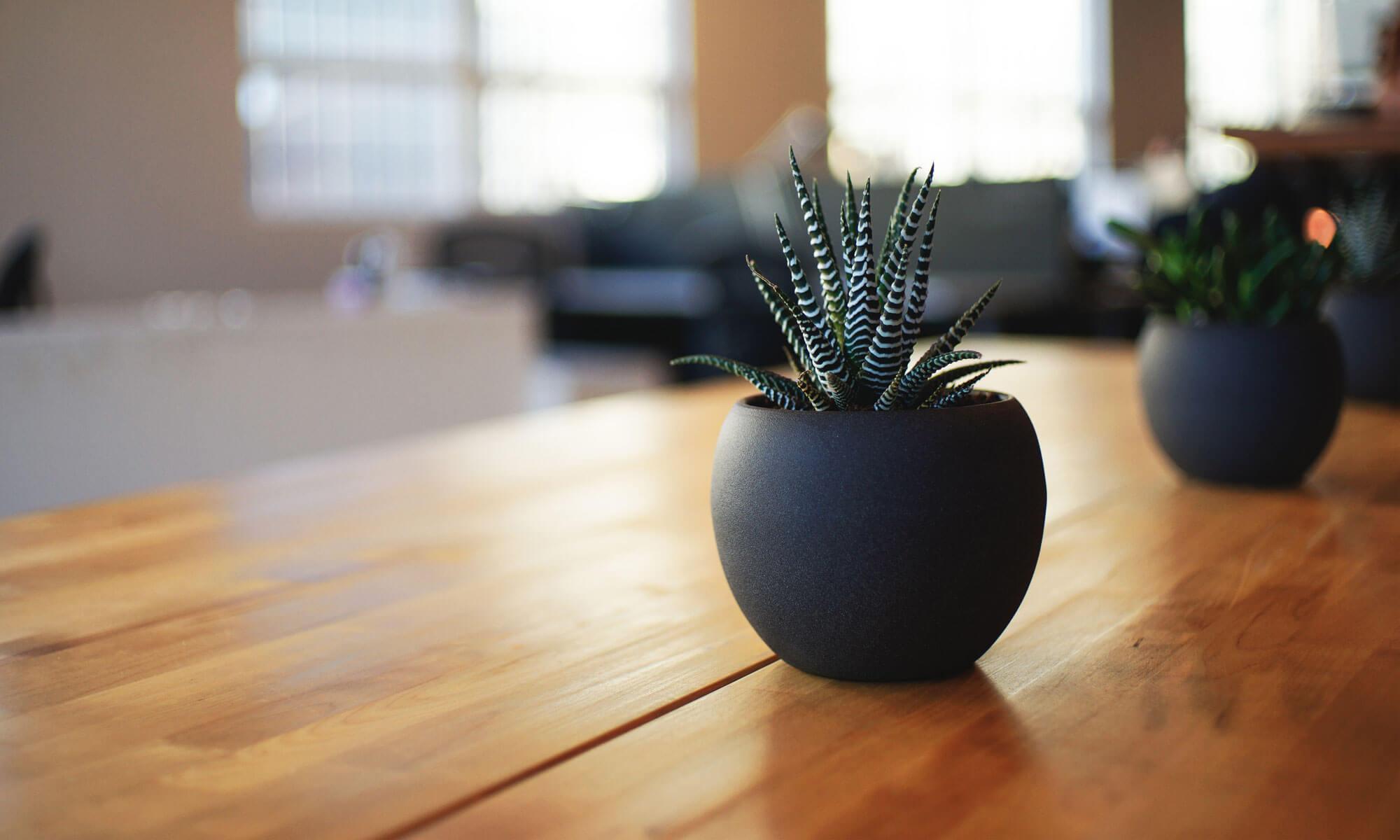
- Comfortable garden structures featuring https://crossleygardenbuildings.co.uk offer year-round enjoyment
- The Benefits of a Dedicated Garden Room
- Planning and Design Considerations
- Exploring Summerhouse Options
- Enhancing Your Summerhouse Experience
- Workshop and Storage Solutions
- Securing Your Garden Building
- Choosing the Right Materials and Construction
- Long-Term Investment and Garden Value
Comfortable garden structures featuring https://crossleygardenbuildings.co.uk offer year-round enjoyment
Creating a beautiful and functional outdoor space is a desire shared by many homeowners. Whether it’s a quiet corner for relaxation, a vibrant area for entertaining, or a practical structure for storage, garden buildings offer versatile solutions. Exploring options for enhancing your garden often leads to discovering companies dedicated to quality and craftsmanship, like https://crossleygardenbuildings.co.uk. They specialise in designing and constructing garden structures that blend seamlessly with the surrounding landscape and provide lasting enjoyment. A well-chosen garden building isn't just an addition to your property; it's an investment in your lifestyle.
The possibilities for utilising garden structures are endless. From elegant summerhouses providing a retreat from the sun to robust workshops catering to hobbyists and tradespeople, there’s a building to suit every need and aesthetic preference. Consideration should be given to factors such as intended use, available space, building regulations, and, of course, the overall style of your garden. Choosing a reputable supplier who offers bespoke designs and utilises high-quality materials is paramount to ensuring a durable and attractive outcome. Finding the right vendor often involves researching various options and reviewing customer testimonials to build confidence in their ability to deliver on your vision.
The Benefits of a Dedicated Garden Room
A garden room has become an increasingly popular addition to many homes, offering a flexible space that can serve a multitude of purposes. Unlike extending your main house, a garden room typically doesn't require the same level of planning permission, making it a quicker and more cost-effective solution for gaining extra living space. They’re perfect for home offices, gyms, playrooms, or simply a tranquil area for reading and relaxation. The key to a successful garden room lies in creating a space that feels integrated with both the garden and the main house. Strategic placement, thoughtful design, and high-quality construction are all crucial elements. Effective insulation and heating are also vital to ensure year-round usability, transforming what would otherwise be a seasonal space into a welcome retreat at any time of year.
Planning and Design Considerations
Before embarking on the construction of a garden room, careful planning is essential. Consider the orientation of the building to maximise natural light and minimise glare. Think about the views from the room and how they can be framed to enhance the overall aesthetic. It's crucial to choose materials that complement your existing house and garden style, as well as being durable and weather-resistant. Also, consider the electrical and plumbing requirements, planning for outlets, lighting, and potentially a water supply if needed. The building's foundations need to be carefully considered too, ensuring they are suitable for the ground conditions and the weight of the structure. A professional architect or garden building specialist can provide invaluable guidance throughout this planning process, turning your ideas into a functional and beautiful reality.
| Feature | Benefits |
|---|---|
| Insulation | Year-round comfort, reduced energy bills |
| Double Glazing | Noise reduction, improved thermal efficiency |
| Durable Materials | Low maintenance, long lifespan |
| Versatile Design | Customizable to suit individual needs |
The table above outlines some key features to consider when selecting a garden room. Investing in these features upfront contributes to a structure that delivers long-term value and enjoyment.
Exploring Summerhouse Options
Summerhouses provide a delightful escape within your garden, offering a space for relaxation, socialising, or pursuing hobbies. They come in a wide range of styles, from traditional Victorian designs to modern, minimalist structures. Choosing the right summerhouse depends on your personal preferences and the intended use of the space. Features to consider include the size, shape, roof style, and window and door configurations. A well-designed summerhouse should be both aesthetically pleasing and practical, offering comfortable seating, adequate ventilation, and protection from the elements. Choosing quality materials, such as cedar wood or pressure-treated timber, is vital to ensure durability and longevity, preventing rot and ensuring the summerhouse remains a beautiful feature in your garden for years to come.
Enhancing Your Summerhouse Experience
Once you've selected a summerhouse, there are numerous ways to enhance your experience. Adding comfortable furniture, such as wicker chairs or a cosy sofa, creates an inviting space for relaxation. Soft furnishings, like cushions and throws, add warmth and texture. Lighting is also crucial, with options ranging from fairy lights to ambient lanterns. Consider incorporating plants and flowers to bring the outdoors in, creating a tranquil and serene atmosphere. For those who enjoy entertaining, a small drinks cabinet or a portable barbeque can be useful additions. Think about the practical aspects too, such as adding weather-resistant storage for cushions and garden games.
- Choose weather-resistant furniture.
- Incorporate soft lighting for ambience.
- Add plants to enhance the natural feel.
- Consider storage for outdoor accessories.
- Protect the wood with regular maintenance.
These tips can transform your summerhouse into a true outdoor haven, a space you'll enjoy spending countless hours in.
Workshop and Storage Solutions
For those with hobbies that require dedicated space, or simply seeking a solution for storing garden tools and equipment, a workshop or storage building is an excellent investment. These structures can be customized to meet specific needs, with options for workbenches, shelving, and secure locking mechanisms. It’s important to consider the size and layout of the workshop to ensure it's functional and efficient. Adequate ventilation and lighting are essential for creating a comfortable and safe working environment. Choosing durable materials, such as pressure-treated timber or metal cladding, will ensure the building withstands the rigours of use and the elements. Proper foundations are also crucial to prevent settling and ensure the stability of the structure. A well-organised workshop can significantly enhance your productivity and enjoyment of your hobbies.
Securing Your Garden Building
Security is a paramount concern when it comes to garden buildings, particularly those used for storage. Investing in a robust locking system is the first step in protecting your valuable possessions. Consider installing a high-quality padlock and reinforcing the doors and windows. Adding motion-sensor lighting can deter potential intruders. Also, think about the location of the building within your garden, positioning it in a visible area that’s well-lit and overlooks your house. Regularly inspecting the building for signs of damage or tampering is also important. For added peace of mind, you might consider installing an alarm system connected to your home security system. This extra layer of security can provide significant reassurance and prevent potential losses.
- Install a robust locking system.
- Reinforce doors and windows.
- Add motion-sensor lighting.
- Position the building in a visible location.
- Regularly inspect for damage.
Implementing these security measures can help safeguard your garden building and its contents.
Choosing the Right Materials and Construction
The longevity and appearance of your garden building are heavily influenced by the materials used in its construction. Cedar wood is a popular choice due to its natural durability, resistance to rot, and aesthetic appeal. Pressure-treated timber offers a more cost-effective option, providing good protection against the elements. Metal cladding is a modern alternative, offering a sleek and contemporary look. When selecting materials, consider the climate in your area and the level of maintenance you’re willing to undertake. The construction process is equally important, with skilled craftsmanship ensuring a structurally sound and weather-tight building. Look for suppliers who use reputable construction techniques and offer warranties on their workmanship. Crossley Garden Buildings are known for their attention to detail and commitment to quality, focusing on delivering a product that will last for many years.
Beyond the primary materials, details matter. The quality of the roofing material, the type of windows and doors, and the fasteners used all contribute to the overall durability and aesthetic of the building. Thoughtful consideration of these elements ensures a harmonious blend of style and substance. Regular maintenance, such as cleaning, painting, and treating the wood, is also essential to prolong the life of your garden building and keep it looking its best. This commitment to upkeep will protect your investment and preserve its beauty for the long term.
Long-Term Investment and Garden Value
Investing in a well-constructed garden building is not simply an expense; it's an enhancement to your property and a potential increase in its value. A beautifully designed and functional garden room, summerhouse, or workshop can significantly enhance your outdoor living space and make your property more attractive to potential buyers. Consider the long-term benefits when making your decision, prioritizing quality materials and skilled craftsmanship. Regular maintenance will also contribute to preserving the value of your investment. The growing demand for outdoor living spaces means that a well-designed garden building is increasingly seen as a desirable feature, potentially providing a substantial return on investment when it comes time to sell your property. These structures offer a tangible improvement to the functionality and appeal of your garden.
Furthermore, a thoughtfully planned garden building can contribute to creating a more sustainable lifestyle. By providing dedicated space for hobbies or work, it can reduce the need to travel elsewhere, saving you time and money. The use of eco-friendly materials and energy-efficient features can also minimize your environmental impact. In essence, a garden building is more than just a structure; it’s a lifestyle choice that can enhance your well-being, add value to your property, and contribute to a more sustainable future. It’s a space to create memories, pursue passions, and enjoy the beauty of the outdoors in comfort and style.