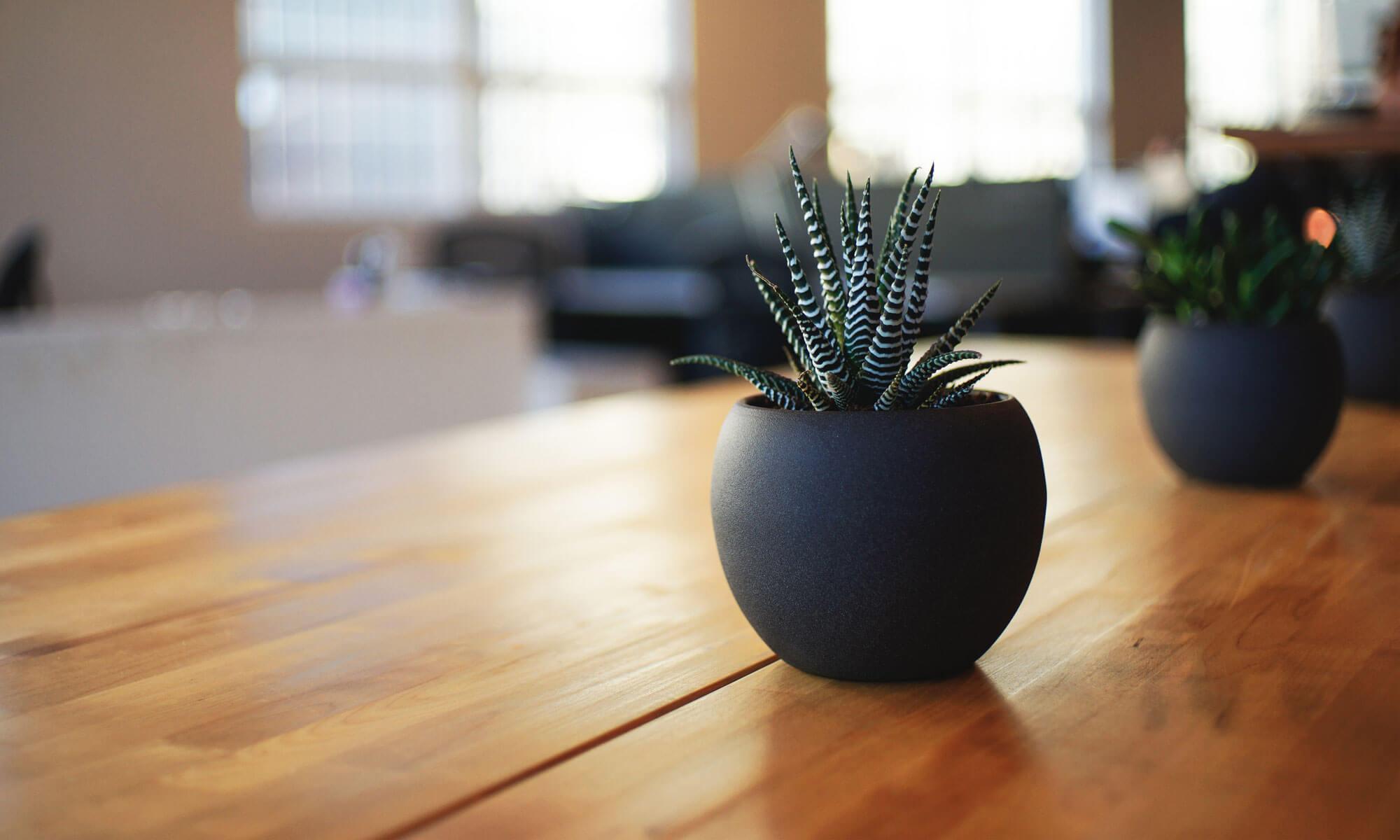
- Exceptional artistry within thebonrushs.co.uk and bespoke home design solutions
- The Importance of Bespoke Furniture in Modern Homes
- The Collaborative Design Process
- The Role of Art in Enhancing Home Décor
- Choosing the Right Art for Your Space
- The Growing Trend of Handmade Home Accessories
- Sourcing Unique Handmade Accessories
- The Impact of Lighting on Interior Design
- Elevating Spaces Through Texture and Materiality
Exceptional artistry within thebonrushs.co.uk and bespoke home design solutions
thebonrushs.co.uk. In the realm of bespoke home design and exceptional artistry, discerning homeowners are constantly seeking unique and inspiring solutions to transform their living spaces. A significant resource for those on this journey is often found online, with platforms dedicated to showcasing talent and connecting clients with skilled professionals. Amongst these,
The modern homeowner is increasingly interested in more than just basic functionality; they desire spaces that reflect their individual personality, values, and lifestyle. This demand has fueled a growing appreciation for handcrafted items, individualized design schemes, and a departure from mass-produced aesthetics. The rise of online marketplaces like
The Importance of Bespoke Furniture in Modern Homes
Bespoke furniture has experienced a resurgence in popularity, driven by a desire for unique, high-quality pieces that perfectly fit specific spaces and needs. Unlike mass-produced items, bespoke furniture is crafted to individual specifications, ensuring a seamless integration with the existing décor and architectural style of a home. This level of customization extends beyond mere dimensions; it encompasses materials, finishes, and design details, allowing homeowners to create truly one-of-a-kind pieces. The investment in bespoke furniture isn’t simply a purchase; it’s an investment in artistry, craftsmanship, and lasting value. It’s about creating heirlooms that will be cherished for generations, rather than disposable items destined for landfills.
The Collaborative Design Process
A successful bespoke furniture project begins with a collaborative design process. This typically involves initial consultations to discuss the homeowner’s vision, lifestyle, and budget. Designers then create sketches or 3D renderings to visualize the proposed piece, incorporating feedback from the client at each stage. Materials are carefully selected, considering both aesthetic appeal and durability. The fabrication process itself is often undertaken by skilled artisans who employ traditional techniques alongside modern technologies. This collaborative approach ensures that the final product not only meets but exceeds the client’s expectations, resulting in a piece that is both beautiful and functional. This represents a personalized experience not typically found when purchasing pre-made items.
| Furniture Type | Average Bespoke Cost (GBP) | Typical Materials | Lead Time (Weeks) |
|---|---|---|---|
| Dining Table | 1500 – 5000 | Solid Wood (Oak, Walnut, Maple) | 8-12 |
| Sofa | 2000 – 8000 | High-Quality Fabrics, Hardwood Frame | 10-16 |
| Bed Frame | 1000 – 4000 | Wood, Upholstery, Metal Accents | 6-10 |
| Shelving Unit | 800 – 3000 | Wood, Metal, Glass | 4-8 |
Understanding the pricing and timelines associated with bespoke furniture is important for planning and budgeting. As the table demonstrates, costs vary significantly depending on the complexity of the design, materials chosen, and the artisan’s expertise. Lead times can also fluctuate, so it’s crucial to initiate the process well in advance of when the furniture is needed.
The Role of Art in Enhancing Home Décor
Integrating art into home décor is a powerful way to express personality and create a visually stimulating environment. Art can serve as a focal point in a room, adding color, texture, and emotional resonance. It's not merely about aesthetic appeal; strategically chosen artwork can also enhance the perceived space, influence mood, and spark conversation. The selection of art should be a deliberate process, reflecting the homeowner’s individual tastes and complementing the overall design scheme. Whether it’s a bold statement piece or a subtle collection of smaller works, art can elevate a space from ordinary to extraordinary. Platforms such as
Choosing the Right Art for Your Space
Selecting the right art for a given space requires careful consideration of several factors. These include the size of the wall, the existing color palette, the style of furniture, and the overall ambiance of the room. A large, empty wall might benefit from a substantial canvas or a gallery wall featuring a curated collection of prints and paintings. In a smaller space, a single, well-chosen piece can be equally effective. Consider the emotional impact of the artwork; do you want to create a calming and serene atmosphere or a vibrant and energetic one? The subject matter, colors, and textures all contribute to the overall mood. Don’t be afraid to experiment and trust your instincts; ultimately, the goal is to choose art that you love and that makes you feel good.
- Consider the room’s function and mood.
- Pay attention to the scale and proportion of the artwork.
- Choose colors that complement the existing décor.
- Don’t be afraid to mix and match styles.
- Trust your personal taste and intuition.
Utilizing these guidelines provides a solid framework for art selection, resulting in a harmonious and visually appealing living space. Browsing platforms dedicated to showcasing artists, like the one mentioned, can offer inspiration and expose you to a broader range of styles and techniques.
The Growing Trend of Handmade Home Accessories
Alongside bespoke furniture and fine art, handmade home accessories are gaining increasing popularity. This trend reflects a growing desire for authenticity, sustainability, and a connection to the makers behind the products. Handmade accessories, such as ceramics, textiles, and lighting fixtures, often possess a unique character and charm that mass-produced items simply cannot replicate. They add texture, warmth, and personality to a space, creating a sense of curated individuality. Supporting artisans who create these items also contributes to a more ethical and sustainable consumer culture, promoting fair labor practices and reducing environmental impact. The artistry and care that goes into each piece is readily apparent, adding a level of appreciation that extends beyond mere functionality.
Sourcing Unique Handmade Accessories
Finding unique handmade accessories requires exploring a variety of sources. Artisan markets, craft fairs, and online marketplaces are excellent places to discover talented makers and browse their creations. Social media platforms, such as Instagram and Pinterest, can also serve as valuable resources for identifying independent designers and studios. When sourcing handmade accessories, consider the materials used, the craftsmanship involved, and the story behind the product. Look for pieces that resonate with your personal style and enhance the overall aesthetic of your home. Don’t be afraid to ask questions about the making process and the origin of the materials; understanding the provenance of an item adds to its value and significance.
- Explore local artisan markets and craft fairs.
- Browse online marketplaces specializing in handmade goods.
- Follow independent designers and studios on social media.
- Inquire about the materials and making process.
- Choose pieces that reflect your personal style.
By supporting handmade artisans, you’re not only acquiring unique and beautiful items for your home, but you’re also contributing to a more sustainable and ethical economy.
The Impact of Lighting on Interior Design
Often underestimated, lighting plays a crucial role in shaping the mood and functionality of interior spaces. It's not simply about illuminating a room; it's about creating ambiance, highlighting architectural features, and enhancing the overall aesthetic. Different types of lighting – ambient, task, and accent – serve distinct purposes and should be carefully integrated into a design scheme. Ambient lighting provides general illumination, while task lighting focuses on specific areas for activities like reading or cooking. Accent lighting is used to draw attention to artwork, sculptures, or other decorative elements. The color temperature of the light bulb also influences the mood; warm tones create a cozy and inviting atmosphere, while cool tones promote alertness and productivity. The right lighting scheme can completely transform a space, making it feel more spacious, inviting, and visually appealing.
Elevating Spaces Through Texture and Materiality
Beyond color and form, the textures and materials used within a home significantly contribute to its overall feel and aesthetic appeal. Introducing a variety of textures – from the smoothness of polished stone to the roughness of woven textiles – adds depth and visual interest to a space. Mixing natural materials like wood, stone, and linen with man-made materials like metal and glass can create a dynamic and harmonious balance. Consider the tactile qualities of the materials; how do they feel to the touch, and how do they contribute to the overall sensory experience? Layering textures and materials not only enhances the visual appeal of a space but also creates a sense of warmth, comfort, and sophistication. Thoughtful material selection can transform a house into a home, reflecting the personality and lifestyle of its inhabitants. Attention to these details elevates the design, producing a uniquely inviting and comfortable environment.
The continued exploration of skilled artistry, as showcased on platforms like